Goodman Furnace Service Manual Overview
Goodman furnace service manuals provide detailed instructions for installation‚ maintenance‚ and troubleshooting. They cover safety systems‚ component specs‚ and fault codes. Accessible as free PDFs‚ these guides help technicians and homeowners keep units running efficiently. Includes wiring diagrams. plus!?
Purpose and Scope
The Goodman furnace service manual is a comprehensive technical resource designed for HVAC technicians‚ contractors‚ and knowledgeable homeowners who need authoritative guidance on installing‚ servicing‚ and troubleshooting Goodman gas furnaces. Its primary purpose is to provide step‑by‑step instructions‚ detailed schematics‚ and safety procedures that ensure each unit operates at peak efficiency while meeting all local codes and manufacturer specifications. The manual covers a wide range of models—including GMS9‚ GMSS96‚ GCVM‚ and other 96‑modulating furnaces—offering model‑specific diagrams‚ part lists‚ and wiring layouts. It contains sections on initial setup‚ combustion air and venting requirements‚ electrical connections‚ and control board programming. Additionally‚ the guide explains how to interpret fault codes‚ perform routine inspections‚ and carry out preventive maintenance tasks such as cleaning heat exchangers‚ checking flame sensors‚ and verifying blower operation. By following the manual’s detailed procedures‚ technicians can diagnose issues quickly‚ reduce downtime‚ and extend the life of Goodman furnaces. The scope also includes safety precautions‚ environmental considerations‚ compliance with latest ENERGY STAR and EPA regulations.! All information is presented in clear‚ concise language with illustrative diagrams‚ making it a valuable reference for both new installers and experienced service professionals. The manual is available as a free PDF download‚ ensuring easy access for anyone who needs reliable‚ up‑to‑date technical support for Goodman heating systems.
Accessing the Manual
Goodman furnaces manuals are freely downloadable in PDF format from the official website or trusted distributors. Users can search by model number‚ access installation guides‚ maintenance checklists‚ and troubleshooting charts. The PDFs are fully searchable‚ with clear diagrams and step‑by‑step instructions!!!
Official PDF Downloads
Goodman furnaces offer an online portal where authorized users can download the latest service manuals in PDF format. Registration requires the model number‚ serial number‚ and purchase date. Once logged in‚ technicians and homeowners access installation guides‚ maintenance checklists‚ wiring diagrams‚ and troubleshooting charts. PDFs are fully searchable‚ with high‑resolution images and step‑by‑step instructions that meet current safety standards. Download links are protected by a secure HTTPS connection and are free for verified owners. Bulk downloads are available as a zip archive. Users can request a hard‑copy on demand‚ shipped within 3–5 business days. The PDFs are updated quarterly to reflect firmware changes and new safety certifications‚ ensuring installers have the most current information.
For those who prefer a mobile experience‚ the portal also offers a responsive design for tablets and a search bar that filters by model series or keyword. The PDF viewer supports zoom‚ page navigation‚ and bookmarking‚ which is especially useful during on‑site repairs. If a user encounters a corrupted file or a missing page‚ they can submit a support ticket directly through the portal‚ and the technical team will provide a replacement or an updated version within 24 hours.
All downloads are logged‚ and users receive a checksum for verification‚ ensuring file integrity. Each PDF includes a identifier and a signature‚ allowing technicians to confirm authenticity use.
Key Components Covered
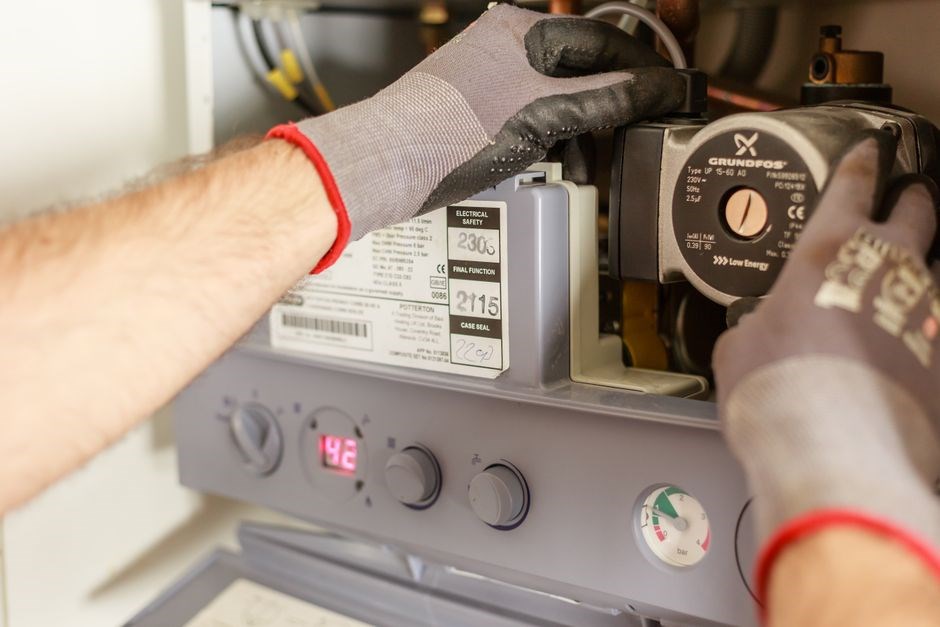
Key components include the gas valve‚ ignition module‚ heat exchanger‚ blower motor‚ and safety controls. The manual details wiring‚ airflow‚ and diagnostic procedures for each part‚ ensuring proper installation and maintenance. Additionally‚ the manual covers the chamber‚ venting system‚ and control board.!
Safety Systems
Goodman furnaces incorporate multiple safety mechanisms to protect users and equipment. The flame sensor monitors combustion; if no flame is detected‚ the system shuts off the gas valve. The high‑limit switch monitors the heat exchanger temperature and interrupts power if temperatures exceed safe thresholds. A pressure switch ensures proper venting; abnormal pressure readings trigger an alarm and shut‑off. The gas valve is equipped with a thermal cutoff that prevents overheating; Safety interlocks prevent the blower from operating until the furnace is fully ignited. The manual details wiring diagrams‚ test procedures‚ and troubleshooting steps for each safety component. Proper installation of these systems is essential for compliance with local codes and for preventing fire or carbon monoxide hazards. Maintenance checks include verifying sensor cleanliness‚ inspecting limit switch contacts‚ and testing the pressure switch with a multimeter. If any safety system fails‚ the furnace will display a fault code that can be referenced in the troubleshooting guide. Regular inspection and adherence to the manufacturer’s guidelines ensure reliable operation and occupant safety. Additionally‚ the manual specifies a minimum of 24 inches service clearance in front of the furnace to avoid accidental contact. It references the applicable specification sheet available from the distributor or company website. The safety section lists common fault codes and their meanings‚ aiding quick diagnosis. Routine checks are emphasized to maintain code compliance and ensure safe‚ efficient operation. Follow these guidelines to protect home today!..

Installation Instructions
Follow the Goodman manual for mounting‚ venting‚ and wiring. Ensure 24‑inch clearance‚ secure the heat exchanger‚ connect the gas line per code‚ and install the pressure switch. Test ignition‚ limit switch‚ and airflow before sealing; Verify connections run a test and seal.
GMSS96 Setup
Step 1: Confirm the furnace model and serial number match the GMSS96 specifications. Position the unit on a level surface‚ maintaining 24‑inch clearance in front and 12 inches to the sides. Step 2: Connect the gas supply line to the inlet valve‚ ensuring the gas pressure is within the manufacturer’s range (typically 0.5–1.5 psi). Tighten the valve with a wrench‚ but avoid overtightening to prevent leaks. Step 3: Attach the exhaust vent pipe to the flue outlet‚ using a 90‑degree elbow if the vent angle requires it. Secure the pipe with stainless‑steel clamps and seal the joints with high‑temperature silicone. Step 4: Wire the control board according to the wiring diagram. The main power feed should be connected to the 240‑V supply‚ and the 120‑V control circuit must be isolated. Use the provided terminal block for the limit switch‚ pressure sensor‚ and blower motor. Step 5: Install the blower motor and fan assembly. Align the motor shaft with the blower housing‚ then secure with the mounting bolts. Tighten to the torque spec listed in the manual (12 ft‑lb). The blower motor should spin at 1200 rpm during operation. Step 6: Mount the heat exchanger and secure the gas valve. Check for proper clearance between the heat exchanger and the vent pipe. Step 7: Test the system. Turn on the power‚ then activate the thermostat to initiate a heating cycle. Observe the ignition sequence‚ flame color‚ and blower operation. Verify the limit switch trips at the correct temperature. Step 8: Perform a leak test by applying a soapy water solution to all gas connections and vent joints. Look for bubbles indicating leaks. If bubbles appear‚ tighten the connections and retest. Step 9: Finalize the installation by sealing all access panels with sealant. Label all wiring and document the setup in the service log. This completes the GMSS96 setup‚ ensuring optimal performance and safety compliance with local codes today.

Maintenance Checklist
Inspect filter‚ replace if dirty. 2. Check flame color; should be blue. 3. Verify blower speed. 4. Clean heat exchanger. 5. Test limit switch. 6. Inspect gas valve. 7. Verify vent integrity. 8. Check electrical connections. 9. Log all actions. Perform safety audit. Check. RunOK!
Inspection Tasks
Perform a comprehensive inspection to ensure optimal performance and safety of your Goodman furnace. Follow these essential steps:
- Filter Check: Inspect the air filter for dirt or clogging. Replace if clogged. Check for debris and ensure proper airflow.
- Flame Color: Observe flame; should be steady blue. Verify no soot buildup and that pilot is stable.
- Blower Operation: Verify blower runs smoothly. Ensure fan belt is tight and motor temperature is normal.
- Heat Exchanger: Inspect heat exchanger for cracks. Check for any metal fatigue or corrosion spots.
- Limit Switch: Test high‑limit switch. Confirm that the limit switch activates at the correct temperature.
- Gas Valve: Confirm gas valve opens/closes. Inspect for gas leaks and ensure valve seal integrity.
- Vent Integrity: Inspect vent flue for obstructions. Verify vent clearance meets manufacturer specs and is unobstructed.
- Electrical Connections: Tighten terminal connections. Check wiring insulation for cracks and secure all connections.
- Control Board: Check control board for damage. Look for burn marks or overheating signs on board.
- Documentation: Record findings and adjustments. Log any irregularities and schedule follow‑up if needed.
Completing these tasks annually helps prevent costly repairs‚ extends furnace life‚ and ensures compliance with safety standards.

Troubleshooting Guide
Use the manual’s diagnostic chart to identify fault codes. Check power‚ gas‚ and airflow. Verify safety switches‚ limit settings‚ and flame sensor. Reset the unit‚ clear error codes‚ and re‑test. If problems persist‚ contact a certified technician for inspection. See manual now!!
Common Fault Codes
Common fault codes in Goodman furnaces help technicians quickly diagnose issues. The most frequent codes include:
- 01 – Flame sensor error: indicates a faulty sensor or dirty flame sensor. Check for debris and clean with a soft brush.
- 02 – High limit switch: the furnace is overheating. Inspect the limit switch‚ airflow‚ and ensure the blower is functioning.
- 03 – Ignition failure: the gas valve may not be opening. Verify gas supply‚ check the igniter‚ and test the valve.
- 04 – Flame sensor delay: the sensor is not detecting flame quickly enough. Clean the sensor and verify wiring.
- 05 – Low pressure: indicates a blockage in the vent or a leak in the system. Check the vent pipe and gas line for obstructions.
- 06 – High pressure: the system is under too much pressure. Inspect the pressure relief valve and venting.
- 07 – Gas valve failure: the valve may be stuck or not opening. Test the valve with a multimeter.
- 08 – Igniter failure: the igniter may be burnt out. Replace the igniter if it shows no spark.
- 09 – Low voltage: the furnace is receiving insufficient voltage. Check the power supply and wiring.
- 10 – High voltage: the furnace is receiving too much voltage. Verify the transformer and wiring.
Consult manual for deeper insights and guidance!.
Always refer to the Goodman service manual for detailed troubleshooting steps‚ wiring diagrams‚ and safety precautions before attempting repairs.

Warranty and Support
Goodman furnaces come with a standard 10‑year parts warranty and 1‑year labor. For extended coverage‚ the 5‑year or 10‑year plans are available. Support includes 24/7 phone‚ online chat‚ and a searchable knowledge base. Service centers handle repairs and parts. Call support ASAP.!!
Coverage Details
Goodman furnaces are backed by a 10‑year parts warranty and a 1‑year labor guarantee. Parts covered include heat exchangers‚ motors‚ thermostats‚ burners‚ control boards‚ and safety devices. Labor is covered for repairs performed by a Goodman‑certified technician within the warranty period. Extended coverage options are available: a 5‑year or 10‑year plan that adds 5‑year coverage for heat‑exchanger and motor‚ and 3‑year coverage for control board and safety devices. The warranty excludes damage from improper installation‚ lack of maintenance‚ or unauthorized modifications. To file a claim‚ the homeowner must contact the local dealer‚ provide proof of purchase‚ and schedule a service visit. The dealer will verify the unit’s serial number‚ service history‚ and the nature of the defect. Once approved‚ the dealer will either repair the unit on‑site or ship the replacement part to the homeowner. All warranty work is performed at no additional cost if the defect is covered. For parts outside the warranty‚ a replacement fee applies. The warranty is transferable to a new owner if the unit is sold‚ provided the new owner retains the original service records and pays any applicable transfer fee. The warranty is void if the unit is moved to a different location without a professional relocation service. For more details‚ consult the warranty booklet or visit the Goodman website.
- Heat‑exchanger (10 years)
- Blower motor (5 years)
- Control board (3 years)
- Burner assembly (10 years)
- Safety devices (10 years)
- Thermostat (10 years)
In addition‚ the warranty covers all manufacturing defects and includes a 24‑hour emergency service hotline. The warranty is valid only for the original purchaser and cannot be combined with other promotions. The warranty does not cover cosmetic damage‚ wear and tear‚ or normal component replacement. The warranty is valid for the entire life of the furnace as long as the unit remains in its original location and is maintained according to the manufacturer’s guidelines. For any questions‚ contact the dealer or call the customer support line at 1‑800‑GOODMAN. The warranty can be extended by purchasing a 5‑year or 10‑year plan at the time of installation or within 30 days of purchase. The extended plan offers additional coverage for the blower motor‚ heat‑exchanger‚ and control board. All warranty terms are subject to change; always review the latest documentation.
Glossary and Resources
Below is a concise glossary of key terms found in Goodman furnace service manuals‚ followed by a list of resources for further assistance. All definitions are tailored to the context of heating systems and are sourced from official Goodman documentation and industry standards.
- Heat Exchanger – The metal chamber that transfers heat from combustion gases to the air.
- Burner – The component that mixes fuel and air‚ ignites the mixture.
- Control Board – The electronic unit that monitors sensors.
- Safety Valve – A pressure‑sensing device that shuts off the furnace.
- Compressor – In heat‑pump models‚ the component that circulates refrigerant.
- Vent Flue – The pipe that expels combustion gases to the outside.
- Thermostat – The user interface that sets desired temperature.
- Service Clearance – The minimum space required around the furnace for safe operation.
- Warranty – The period during which Goodman covers parts and labor for defects.
Resources:
- Goodman Service Manual PDF – Downloadable from the official website. Available in PDF format!
- Goodman Dealer Locator – Find certified technicians for installation and repair.
- Goodman Parts Catalog – Online tool for ordering replacement components.
- Goodman Technical Support – 24/7 hotline for troubleshooting and warranty inquiries.
- Goodman Community Forum – Peer‑to‑peer advice and shared experiences.