This groundbreaking book, born from the renowned Noma kitchen, meticulously details fermentation techniques․ It’s a comprehensive resource, lauded by reviewers as a ‘Buy For Life’ investment․
The guide isn’t merely a cookbook; it’s a deep dive into flavor mastery, offering a scientific approach to fermentation, inspiring both novice and experienced cooks․
Overview of the Book’s Significance
The Noma Guide to Fermentation represents a pivotal moment in modern culinary arts, elevating fermentation from a traditional preservation method to a central pillar of innovative flavor development․ It’s significance lies in its detailed, scientific approach, meticulously documenting processes previously held as closely guarded kitchen secrets․
The book’s impact extends beyond professional kitchens, democratizing complex techniques and inspiring home cooks to explore the vast potential of fermented foods․ Reviewers highlight its comprehensive nature, suggesting it may be the only fermentation resource one ever needs, a testament to its thoroughness and lasting value․ It’s a gateway to understanding flavor at a deeper level․
René Redzepi and David Zilber: The Authors
René Redzepi, the visionary chef behind the world-renowned Noma restaurant, partnered with David Zilber, a fermentation specialist, to create this definitive guide․ Redzepi’s relentless pursuit of unique flavors and dedication to local ingredients fueled the book’s core philosophy․
Zilber’s expertise provided the scientific rigor and detailed methodology, transforming Noma’s experimental fermentation practices into accessible techniques․ Their combined passion and knowledge resulted in a resource praised for its depth and precision, solidifying their influence on contemporary cuisine and inspiring a new generation of fermenters․

Core Principles of Fermentation at Noma
Noma’s fermentation philosophy centers on a scientific methodology, emphasizing precision and control․ Utilizing local, seasonal ingredients is paramount, unlocking unique flavor profiles and textures․
Emphasis on Scientific Approach
The Noma Guide to Fermentation distinguishes itself through its rigorous, scientific methodology․ Unlike traditional approaches, it meticulously examines the ‘why’ behind fermentation processes, not just the ‘how’․
Reviewers consistently highlight this aspect, noting the extensive work invested in understanding microbial activity and its impact on flavor․ This isn’t intuitive cooking; it’s a detailed exploration of biochemistry, providing precise guidelines and fostering predictable results․
The book encourages controlled experiments, detailed record-keeping, and a deep understanding of the variables influencing successful fermentation, appealing to those seeking precision․
Local and Seasonal Ingredients
Rooted in Noma’s philosophy, the guide champions utilizing locally sourced, seasonal ingredients for fermentation․ This isn’t simply about freshness; it’s about terroir – the unique flavor profiles imparted by regional ecosystems․
The authors emphasize adapting fermentation techniques to available resources, encouraging experimentation with foraged plants and underutilized produce․ This approach minimizes environmental impact and maximizes flavor complexity, reflecting Noma’s commitment to sustainability․
The book inspires a connection to the surrounding environment, promoting a deeper appreciation for the ingredients and the fermentation process itself․
Key Fermentation Techniques Explored
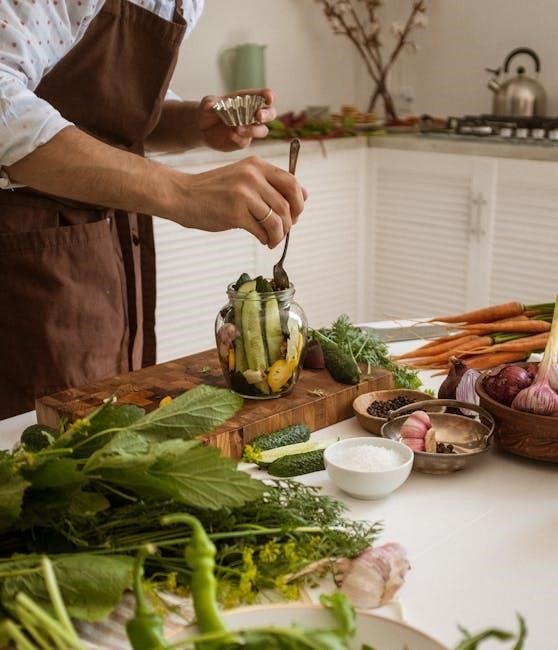
The book delves into diverse methods, including koji cultivation, lacto-fermentation, kombucha brewing, shoyu/miso production, vinegar creation, and the ancient art of garum making;
Koji: The Foundation of Umami
The Noma Guide to Fermentation elevates koji beyond a simple ingredient, presenting it as a cornerstone of umami development․ The book meticulously details its cultivation, emphasizing the scientific precision required for successful growth․
Readers learn to harness koji’s enzymatic power to transform various substrates, unlocking profound savory depths․ It’s not just about making koji; it’s about understanding the microbiology and controlling the process for optimal flavor extraction, a central tenet of Noma’s approach․
Lacto-Fermentation: Vegetables and Beyond
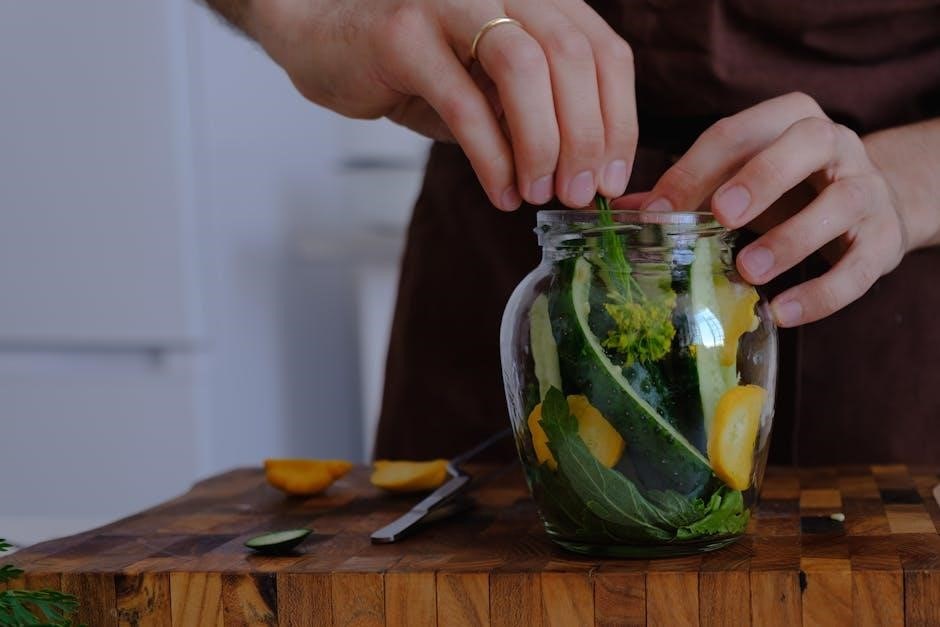
The book expands the scope of lacto-fermentation far beyond traditional pickles and sauerkraut․ The Noma Guide to Fermentation showcases innovative applications, demonstrating how to apply this technique to fruits, grains, and even proteins․
It emphasizes precise control of salinity and temperature to cultivate desired microbial communities, resulting in complex and nuanced flavors․ The guide provides detailed protocols, empowering readers to safely and creatively explore the vast potential of lacto-fermentation in their own kitchens․

Detailed Look at Specific Fermented Products
This section meticulously explores kombuchas, shoyus, misos, vinegars, and garums, detailing production methods and flavor profiles․ It’s a comprehensive guide to diverse fermentation outcomes․
Kombuchas: Varieties and Brewing
The Noma Guide to Fermentation doesn’t treat kombucha as a single entity, but rather a spectrum of possibilities․ It delves into diverse flavor profiles achieved through varied tea bases, fermentation lengths, and secondary fermentation additions․
The book provides detailed instructions on brewing kombucha from scratch, emphasizing precise temperature control and sanitation․ It also explores innovative techniques for flavoring, moving beyond typical fruit infusions to incorporate herbs, spices, and even fermented ingredients, showcasing Noma’s experimental approach․
Readers gain insight into troubleshooting common kombucha issues and understanding the science behind the fermentation process, ensuring successful and flavorful results․
Shoyus and Misos: Production and Flavor Profiles
The Noma Guide to Fermentation dedicates significant attention to shoyu and miso, foundational umami ingredients in Japanese cuisine․ It meticulously outlines the traditional production methods, from koji rice preparation to the lengthy fermentation process involving soybeans․
The book doesn’t simply provide recipes; it dissects the factors influencing flavor development – the type of koji, soybean variety, salt content, and fermentation duration․ This allows for nuanced control and customization․
Readers learn to identify and appreciate the diverse flavor profiles, ranging from light and delicate shoyus to robust, earthy misos, and their applications in Noma’s innovative dishes․
Vinegars: From Fruit to Functionality
The Noma Guide to Fermentation expands beyond traditional vinegars, showcasing a spectrum of fruit-based creations and their versatile roles․ The book details methods for crafting vinegars from diverse sources, including foraged berries and unconventional produce․
It emphasizes vinegar’s functionality beyond flavoring – its use as a preservative, tenderizer, and acidity regulator in complex fermentation projects․ The scientific approach explains the acetic acid fermentation process in detail․
Noma’s techniques highlight how vinegar can unlock unique flavor dimensions, contributing to both taste and textural complexity in their celebrated cuisine․
Garums: Ancient Fermented Sauces
The Noma Guide to Fermentation revives the ancient practice of garum production, exploring this umami-rich liquid’s historical significance and modern applications․ The book details methods for fermenting proteins – from seafood to vegetables – using salt and time․
It delves into the enzymatic breakdown of proteins, unlocking intense savory flavors․ Noma’s approach emphasizes precise control over fermentation conditions to achieve desired flavor profiles․
The guide showcases how garums can be used as a foundational seasoning, adding depth and complexity to dishes, mirroring their role in ancient cuisines․

Black Fruits and Vegetables Fermentation
Noma’s exploration of black fruits and vegetables reveals unique flavor development through fermentation, enhancing their sweetness and creating complex, savory notes for innovative cuisine․
Unique Flavor Development
The Noma Guide to Fermentation highlights how fermenting black fruits and vegetables unlocks previously untapped flavor profiles․ This process isn’t simply about preservation; it’s a transformation․ Fermentation intensifies sweetness, while simultaneously developing umami and complex savory notes․
These techniques move beyond traditional methods, revealing how enzymatic activity breaks down cellular structures, releasing aromatic compounds․ The result is a depth of flavor unattainable through conventional cooking, offering chefs and home cooks alike a pathway to truly innovative dishes․
Applications in Noma’s Cuisine
At Noma, fermented black fruits and vegetables aren’t merely ingredients; they are foundational elements shaping the restaurant’s innovative dishes․ These ferments provide crucial depth and complexity, often acting as the core flavor component in sauces, purees, and even desserts․
Redzepi and Zilber demonstrate how these techniques allow for the utilization of seasonal produce at its peak, extending its usability and minimizing waste․ The book showcases how Noma’s chefs creatively integrate these unique flavors into their globally-recognized, multi-sensory dining experience․
Troubleshooting and Safety in Fermentation
The guide addresses common fermentation issues, offering solutions for mold, off-flavors, and stalled ferments․ Maintaining a safe environment is paramount, ensuring successful and healthy results․
Common Issues and Solutions
The Noma Guide to Fermentation doesn’t shy away from potential pitfalls․ It proactively addresses issues like kahm yeast formation – a harmless, but visually concerning, white film – and provides strategies for its management․ Mold growth, a more serious concern, is thoroughly covered, detailing identification and safe disposal procedures․
The book also tackles stalled ferments, offering diagnostic steps to pinpoint the cause – temperature fluctuations, insufficient salt, or improper pH – and corrective actions․ Off-flavors are explored, linking them to specific microbial activity and offering adjustments to prevent recurrence, ensuring consistently delicious results․
Maintaining a Safe Fermentation Environment
The Noma Guide to Fermentation emphasizes meticulous hygiene as paramount for safe fermentation․ Sterilization of equipment, though not requiring hospital-grade conditions, is strongly advised, focusing on thorough cleaning with appropriate sanitizers․ The book details proper brine salinity levels, crucial for inhibiting undesirable microbial growth and fostering beneficial cultures․
Temperature control is also highlighted, explaining optimal ranges for various ferments and the importance of consistent conditions․ Airflow management, preventing mold spore introduction, is discussed, alongside guidance on appropriate vessel materials – glass, ceramic, and food-grade plastic are favored․
The Noma Approach vs․ Traditional Methods
Noma’s approach blends scientific rigor with ancestral techniques, offering precise guidelines alongside traditional wisdom․ It appeals to those seeking controlled results, contrasting with looser, intuitive methods․
Comparing and Contrasting Techniques
The Noma Guide to Fermentation distinguishes itself through its intensely detailed, scientific methodology, meticulously documenting variables like temperature and humidity․ This contrasts sharply with many traditional fermentation practices, often passed down through generations relying on intuition and observation․
While traditional methods prioritize simplicity and regional adaptation, Noma’s techniques emphasize control and reproducibility․ The book doesn’t dismiss older practices, but rather analyzes and refines them, offering a framework for understanding why things work, not just how․ This allows for innovation and adaptation, bridging the gap between heritage and modern culinary exploration․
Suitability for Beginners and Experienced Fermenters
While incredibly thorough, The Noma Guide to Fermentation isn’t necessarily the most accessible starting point for absolute beginners․ Its rigorous approach and detailed protocols can feel overwhelming for those unfamiliar with basic fermentation principles․ However, the depth of information is invaluable for those seeking a deeper understanding․
Experienced fermenters will appreciate the scientific rigor and innovative techniques presented․ The book provides a framework for experimentation and refinement, pushing the boundaries of traditional methods․ It caters to those who enjoy precise control and a detailed understanding of the underlying processes․
Impact and Legacy of the Book
The Noma Guide to Fermentation profoundly influenced modern cuisine, popularizing advanced techniques and inspiring chefs globally․ Its detailed approach fostered a vibrant fermentation community․
Influence on Modern Cuisine
The book’s impact extends far beyond home kitchens, significantly altering professional culinary landscapes․ The Noma Guide to Fermentation encouraged chefs to embrace scientific rigor alongside traditional methods, leading to innovative flavor profiles․
Its detailed exploration of techniques like koji utilization and garum production has become increasingly prevalent in high-end restaurants․ The emphasis on local, seasonal ingredients, coupled with fermentation, aligns with a growing movement towards sustainable and unique dining experiences․ It’s sparked a renewed interest in preserving techniques․
Community Response and Reviews
The book has garnered overwhelmingly positive feedback from both amateur and professional fermenters․ Many reviewers highlight the depth of research and the scientific approach as particularly valuable, even for those with existing experience․
Online forums, like Homebrew Talk and Reddit’s r/fermentation, demonstrate a vibrant community discussing the book’s techniques and sharing results․ While some prefer Sandor Katz’s looser style, The Noma Guide is praised as a definitive resource, a ‘Buy For Life’ investment, inspiring a passion for flavor․

Resources and Further Learning
Explore online fermentation communities and websites to expand your knowledge․ Essential equipment includes scales, pH meters, and fermentation vessels for successful experimentation at home․
Recommended Equipment
Successfully replicating The Noma Guide to Fermentation’s techniques requires specific tools․ A precise digital scale is crucial for accurate ingredient measurements, vital for consistent results․ pH meters are invaluable for monitoring acidity levels, ensuring safety and optimal fermentation․
Invest in various fermentation vessels – glass jars, ceramic crocks, and airlock lids – to accommodate different projects․ Temperature control is key; consider a fermentation chamber or utilizing consistent room temperatures․ Don’t forget essential tools like knives, cutting boards, and reliable thermometers for monitoring progress․
Online Communities and Websites
Engaging with fellow fermenters enhances the learning experience inspired by The Noma Guide to Fermentation․ Reddit’s r/fermentation is a vibrant forum for questions, sharing successes, and troubleshooting challenges․ Homebrew Talk offers dedicated discussions, particularly for advanced techniques․
Explore websites like runcanopy․com for detailed product reviews and insights into fermentation practices․ Numerous blogs and YouTube channels provide tutorials and inspiration․ These online resources foster a collaborative environment, accelerating your fermentation journey․
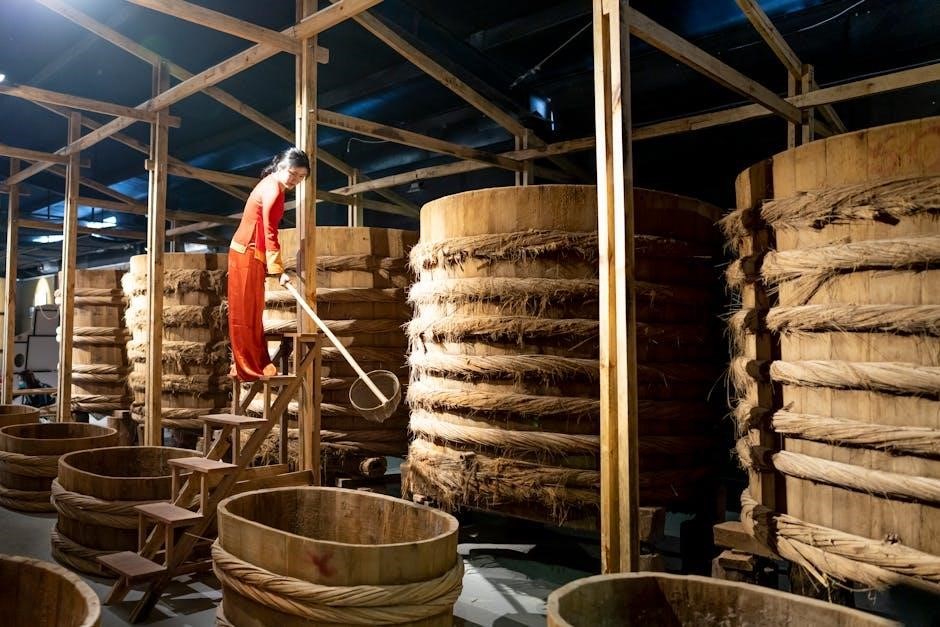
Adapting Noma’s Techniques at Home
Scaling down Noma’s complex recipes requires experimentation and a willingness to adjust․ Embrace innovation, adapting techniques to your kitchen and available ingredients for success․
Scaling Recipes for Home Use
The Noma Guide to Fermentation presents techniques often developed for a professional kitchen environment․ Successfully adapting these to a home setting necessitates careful consideration of quantities and equipment․ Directly replicating large-batch recipes can be impractical; therefore, proportional scaling is crucial․
Begin by halving or quartering recipes, observing the results before further adjustments․ Pay close attention to fermentation times, as smaller volumes may ferment faster․ Maintaining precise temperature control, a challenge at home, is vital for consistent outcomes․ Don’t be afraid to experiment and document your modifications!
Experimentation and Innovation
While The Noma Guide to Fermentation provides a robust foundation, the authors encourage creative exploration beyond the presented recipes․ Understanding the underlying principles—pH levels, microbial activity, and ingredient interactions—empowers informed experimentation․
Don’t hesitate to substitute local, seasonal produce for those featured in the book, observing how flavor profiles shift․ Combine techniques, like lacto-fermenting black fruits before creating a garum․ Document your trials meticulously, noting successes and failures to refine your fermentation practice and unlock unique flavors․