Egg steaming is a gentle cooking method preserving nutrients, offering a healthful alternative to boiling or frying. It’s gaining popularity for its simplicity and benefits!
Eggs, vital for reproduction and nutrition, are packed with protein, vitamins, and minerals – a cornerstone of a balanced diet for many cultures.
Steaming ensures optimal nutrient retention, delivering a delicious and wholesome meal, aligning with recommendations for daily egg consumption for most individuals.
What is Egg Steaming?
Egg steaming is a cooking technique utilizing steam to gently cook eggs, differing significantly from boiling or frying. This method involves placing eggs in a specialized appliance – an egg steamer – or utilizing a setup with a steamer basket over boiling water.
Unlike direct heat, steam cooks the eggs evenly, resulting in a uniquely soft and delicate texture. The process relies on the transfer of heat from the condensing steam, avoiding the harshness that can sometimes occur with other methods.
Eggs, fundamentally organic vessels for reproduction, benefit from this gentle approach, preserving their nutritional value. The yolk and white retain more vitamins and minerals, offering a healthful and flavorful experience. It’s a simple way to enjoy a protein-rich meal!
Benefits of Steaming Eggs
Steaming eggs offers numerous advantages over traditional cooking methods. Primarily, it preserves a greater amount of the egg’s inherent nutritional value, including essential vitamins like A, D, and E, alongside vital minerals like selenium and B12.
The gentle cooking process minimizes the risk of overcooking, preventing the rubbery texture sometimes associated with boiled eggs. This results in a consistently soft and creamy final product, enhancing the overall dining experience.
Furthermore, steaming requires minimal added fats, making it a healthier option. Daily egg consumption is generally safe, and steaming maximizes benefits, aligning with recommendations from health organizations like the American Heart Association.

Types of Egg Steamers
Various egg steamers exist, from dedicated electric models to stovetop versions and multi-cookers with steaming functions, offering diverse options for convenient egg preparation.
Dash cookers and other models simplify boiling and poaching, providing efficient solutions for perfectly cooked eggs every time.
Electric Egg Steamers
Electric egg steamers represent a convenient and user-friendly approach to achieving perfectly cooked eggs. These appliances typically feature a simple design, often consisting of a heating base and a steaming rack or tiers for holding the eggs.
They automate the steaming process, eliminating the need for constant monitoring and reducing the risk of overcooking. Many models offer adjustable settings for desired egg textures – soft, medium, or hard-boiled – catering to individual preferences.
The Dash egg cooker is a popular example, known for its compact size and ease of use. Electric steamers generally require only water and eggs, making them a quick and efficient option for breakfast or meal preparation. They are ideal for those seeking a hassle-free way to enjoy nutritious, steamed eggs.
Stovetop Egg Steamers
Stovetop egg steamers offer a traditional and economical method for steaming eggs, utilizing a pot with a steaming basket or rack. This approach requires a bit more attention than electric models, as it involves monitoring the water level and cooking time.
The process begins by adding water to the pot, ensuring it doesn’t touch the eggs, and bringing it to a boil. Once boiling, the heat is reduced to a simmer, and the eggs are steamed for the desired duration, depending on the preferred texture.
While requiring manual control, stovetop steaming provides flexibility and allows for steaming larger quantities of eggs simultaneously. It’s a reliable option for those who prefer a classic cooking technique and don’t mind a slightly more hands-on approach.
Multi-Cooker Egg Steaming Function
Multi-cookers, increasingly popular kitchen appliances, often include a steaming function that can be effectively used for eggs. This method offers convenience and precision, automating the steaming process with pre-set programs or customizable settings.
Typically, you’ll add water to the multi-cooker’s inner pot and place the eggs on a provided steaming rack. Selecting the “steam” function and setting the appropriate time – varying based on desired doneness – initiates the process.
Multi-cookers excel at maintaining consistent temperatures, ensuring evenly cooked eggs. This feature is particularly beneficial for achieving specific textures, from soft and runny to fully cooked, simplifying egg preparation.

Preparing Eggs for Steaming
Select fresh eggs, gently crack them to avoid shell fragments, and add water to your steamer, ensuring proper levels for consistent, even cooking.
Eggs are nutrient powerhouses, providing essential proteins and vitamins, making careful preparation key for maximizing their health benefits.
Prioritize quality eggs for optimal results, as the yolk’s richness in vitamins and fats contributes significantly to a healthful diet.
Choosing the Right Eggs
Selecting the correct eggs is paramount for successful steaming. Opt for fresh eggs, as their whites are firmer and hold their shape better during the cooking process. While most eggs from domestic fowl are suitable, consider the source and quality.
Eggs are organic vessels containing vital nutrients; the yolk is particularly rich in fat-soluble vitamins like A, D, and E, alongside essential omega-3 fatty acids. Older eggs may have thinner whites, potentially leading to a less desirable texture when steamed.
Look for eggs with clean, uncracked shells. A daily egg intake is generally safe for healthy individuals, offering a protein-packed and vitamin-rich addition to your diet. Prioritizing freshness ensures you’re maximizing the nutritional benefits of this versatile food.
Egg Cracking Techniques
Mastering the egg crack is crucial for a clean steaming experience; Gently tap the egg’s middle against a flat surface, creating a hairline fracture. Avoid forceful impacts that can shatter the shell and introduce fragments into the egg.
Use both hands to carefully pull the shell apart over a small bowl, allowing the egg to slide in without breaking the yolk. Remember, eggs contain a zygote, a potentially fertilized cell, making gentle handling important.
Discard any shell fragments immediately. A clean crack prevents contamination and ensures a visually appealing steamed egg. The egg white and yolk are both nutrient-rich, so preserving their integrity is key to maximizing nutritional value.
Adding Water to the Steamer
Precise water levels are vital for successful egg steaming. Consult your egg steamer’s manual for specific instructions, as requirements vary between models. Generally, fill the reservoir to the indicated line, ensuring the eggs won’t sit in the water, only above it.
Using distilled or filtered water minimizes mineral buildup, prolonging the steamer’s lifespan and preventing scaling. Remember, eggs are organic vessels, and clean water contributes to a pure cooking environment;
Insufficient water can lead to uneven cooking, while excessive water may splash and affect the egg’s texture. Proper hydration is key to achieving the desired consistency, whether soft, medium, or hard-steamed.

Steaming Times for Different Textures
Steaming time dictates the egg’s final texture. Shorter times yield soft, custard-like results, while longer durations create firmer, fully cooked eggs – adjust accordingly!
Soft Steamed Eggs
Achieving perfectly soft steamed eggs requires precision. Typically, a steaming time of 8-10 minutes is ideal, though this can vary slightly based on your steamer and egg size. The goal is a delicate, custard-like consistency where the egg white is fully set but the yolk remains runny and luscious.
This texture is highly prized in many Asian cuisines, offering a melt-in-your-mouth experience. Remember that eggs continue to cook from residual heat, so removing them slightly before they appear fully done is crucial. The nutritional benefits of the egg, including its protein content and vitamins, are beautifully preserved with this gentle cooking method.
Soft steamed eggs are incredibly versatile, pairing well with soy sauce, vegetables, or shrimp for a flavorful and healthy meal.
Medium Steamed Eggs
For medium steamed eggs, aim for a steaming duration of 12-15 minutes. This results in a firmer, yet still tender, texture. The egg white will be completely set, and the yolk will be partially set, offering a creamy consistency that isn’t entirely runny. This is a fantastic option for those who prefer a more substantial bite.
Medium steamed eggs retain the egg’s impressive nutrient profile, providing a good source of protein, vitamins A, D, and E, and essential omega-3 fatty acids. They are incredibly adaptable, serving as a base for various flavorful additions like vegetables or seafood.
This texture strikes a balance between the delicate softness and a more defined structure.
Hard Steamed Eggs
Achieving hard steamed eggs requires a steaming time of 18-20 minutes. This extended duration fully cooks both the egg white and yolk, resulting in a firm, solid texture throughout. This is ideal for those who prefer a completely set yolk, perfect for salads, deviled eggs, or snacking.
Hard steamed eggs remain a nutritional powerhouse, delivering a concentrated source of protein, selenium, riboflavin, and vitamin B12. They are a convenient and portable protein option, fitting seamlessly into a healthful diet.
While the texture differs from softer variations, the nutritional benefits remain substantial, making them a versatile choice.
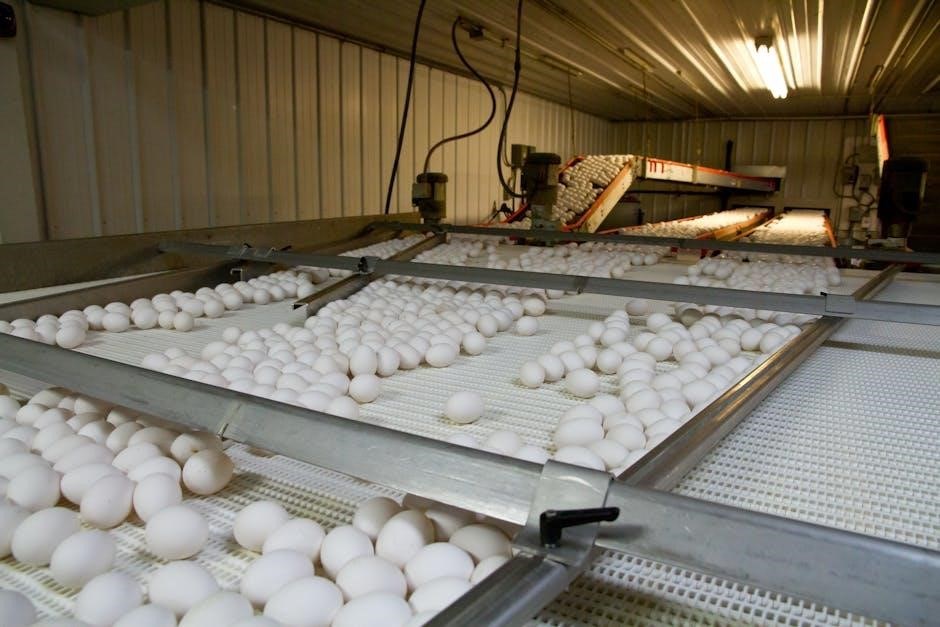
Egg Steamer Instructions: Step-by-Step
Begin by filling the steamer with the recommended water level, then carefully load the eggs into the designated tray. Set the timer and initiate steaming!
Filling the Egg Steamer with Water
Carefully examine your egg steamer’s manual, as water level requirements vary between models. Generally, most steamers feature a marked fill line indicating the optimal amount.
Using cool, filtered water is recommended to prevent mineral buildup and ensure the purest steam. Avoid overfilling, as this can cause water to splash into the egg chamber during operation, potentially affecting the final texture.
Conversely, insufficient water may lead to incomplete steaming. Precisely measuring the water ensures consistent results. Some models require water to be added directly to the base, while others utilize a separate reservoir. Always double-check before starting!
Loading the Eggs into the Steamer
Gently place the eggs into the designated egg tray or rack within the steamer. Ensure they are arranged in a single layer, avoiding overcrowding to allow for even steam circulation.
Most steamers accommodate several eggs simultaneously, but check your model’s capacity. Cracked eggs should not be steamed, as they may leak and contaminate the water.
For consistent cooking, select eggs of similar size. Some steamers have specific holders for poaching, while others are designed for hard or soft-boiled styles. Securely position the tray to prevent accidental spills during operation, ensuring a safe and efficient steaming process.
Setting the Timer and Starting the Steamer
Refer to your egg steamer’s manual for precise timing guidelines based on your desired egg consistency – soft, medium, or hard-boiled. Typically, timers range from 6 to 15 minutes.
Many electric models feature automatic shut-off functions, enhancing safety and convenience. Once the timer is set, initiate the steaming process by pressing the ‘start’ button.
Stovetop steamers require monitoring to maintain a consistent simmer. Avoid lifting the lid frequently, as this releases steam and affects cooking time. Allow the steamer to complete the cycle undisturbed for optimal results, ensuring perfectly cooked eggs every time.

Troubleshooting Common Issues
If eggs aren’t fully cooked, extend steaming time. Rubbery eggs indicate overcooking – reduce time. Ensure the steamer is plugged in and functioning correctly.
Eggs Not Cooking Through
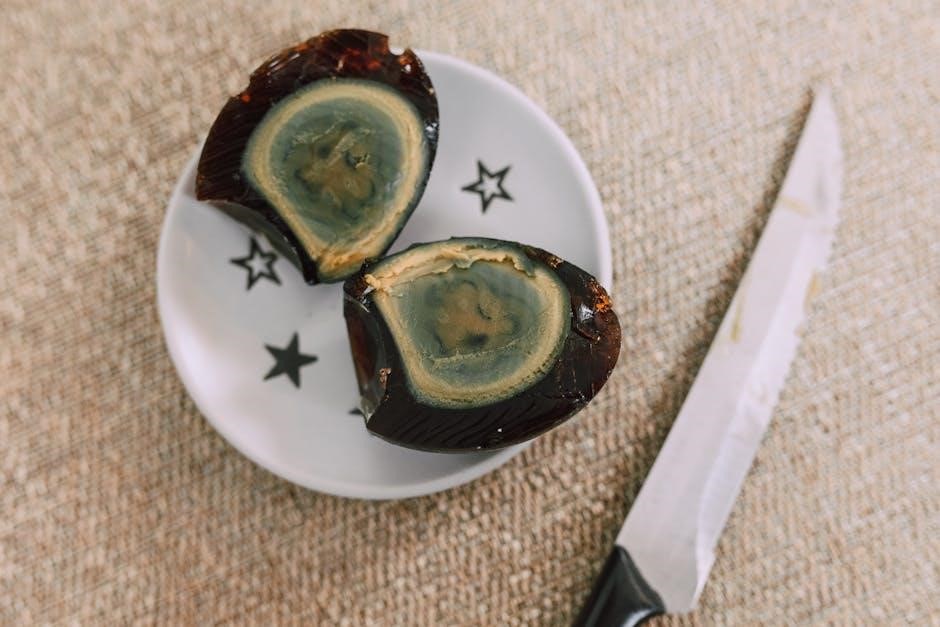
Encountering undercooked eggs during steaming is a common issue, often easily resolved. First, verify the steamer is adequately filled with water, as insufficient water prevents proper steam circulation and thorough cooking. Secondly, increase the steaming time in small increments – perhaps adding 2-3 minutes – and check for doneness.
Ensure the eggs are positioned correctly within the steamer, allowing steam to reach all surfaces. Consider the initial temperature of the eggs; colder eggs require longer steaming times. Finally, confirm your steamer is functioning correctly; a faulty heating element may not generate sufficient steam for complete cooking. Remember, egg size also impacts cooking duration.
Eggs Overcooking and Becoming Rubbery
Experiencing rubbery, overcooked eggs during steaming indicates excessive heat or prolonged cooking. Immediately reduce the steaming time in future attempts, starting with a decrease of 1-2 minutes. Ensure accurate timer settings are utilized, preventing accidental overcooking.
Consider the egg steamer model; some units generate more intense steam than others, requiring adjusted timings. Avoid overcrowding the steamer, as this can hinder even cooking and lead to localized overheating. Remember, eggs continue to cook slightly from residual heat after steaming, so remove them promptly. Proper timing is key to achieving the desired texture.
Steamer Not Turning On
If your egg steamer fails to power on, first verify the power cord is securely plugged into both the steamer and a functioning electrical outlet. Test the outlet with another appliance to confirm it’s delivering power. Inspect the power cord for any visible damage, such as fraying or cuts, and avoid use if compromised.
Check the steamer’s internal fuse or circuit breaker (if applicable) and replace if necessary. Some models feature an automatic shut-off; ensure the water reservoir isn’t completely empty, triggering this safety feature. If issues persist, consult the manufacturer’s guide or contact customer support.
Egg Steamer Cleaning and Maintenance
Regular cleaning extends your steamer’s life! Rinse after each use, descale periodically to remove mineral buildup, and store it properly when not in use.
Cleaning After Each Use
Immediate cleaning after each steaming session prevents residue buildup and ensures optimal performance. Begin by unplugging the steamer and allowing it to cool completely before handling. Carefully remove the egg tray and any other detachable components.
Wash these parts with warm, soapy water, using a soft sponge or cloth to avoid scratching the surfaces. Rinse thoroughly to remove all traces of soap. For the steamer base, wipe down the exterior with a damp cloth.
Avoid immersing the base in water, as this could damage the electrical components. Pay attention to any steam vents or small openings, ensuring they are free from obstructions. Dry all parts completely before reassembling and storing the steamer.
Descaling the Steamer
Regular descaling is crucial to maintain your egg steamer’s efficiency and longevity, especially if you use hard water. Mineral deposits can accumulate, hindering performance. To descale, fill the water reservoir with a mixture of equal parts water and white vinegar.
Run the steamer through a full steaming cycle without eggs. Afterward, discard the vinegar solution and rinse the reservoir thoroughly with clean water, repeating several times to eliminate any residual vinegar smell.
For stubborn deposits, allow the vinegar solution to sit in the reservoir for an hour before running the cycle. Always ensure all vinegar residue is removed before using the steamer for cooking eggs.
Proper Storage of the Egg Steamer
Correct storage extends the life of your egg steamer and ensures it’s ready for use. Before storing, ensure the steamer is completely dry, both inside and out, to prevent mold or mildew growth. Disconnect the power cord and store it separately, avoiding any potential damage.
Keep the steamer in a cool, dry place, away from direct sunlight and extreme temperatures. If possible, store it in its original packaging to protect it from dust and scratches.
Regular cleaning, combined with proper storage, will keep your egg steamer functioning optimally for years, consistently delivering perfectly steamed eggs.
Nutritional Value of Steamed Eggs
Steamed eggs retain vital nutrients like protein, vitamins A, D, E, B12, and essential omega-3 fatty acids, supporting a healthful and balanced diet.
Protein Content
Eggs are a complete protein source, meaning they contain all nine essential amino acids crucial for bodily functions. Steaming preserves this high protein content effectively, offering approximately 6-7 grams of protein per large egg.
This protein is vital for muscle repair, growth, and overall tissue maintenance. Both the egg white and yolk contribute to the protein load, though the white is almost entirely protein.
Consuming steamed eggs supports satiety, aiding in weight management, and contributes to a feeling of fullness, making them an excellent addition to any meal. The gentle steaming process doesn’t diminish these protein benefits.
Vitamin and Mineral Benefits
Steamed eggs are a nutritional powerhouse, brimming with essential vitamins and minerals. The yolk is particularly rich in fat-soluble vitamins like A, D, and E, alongside vital omega-3 fatty acids.
Furthermore, eggs provide significant amounts of selenium, riboflavin (vitamin B12), and choline, supporting various bodily functions, including nerve health and brain development.
Steaming helps retain these nutrients, unlike harsher cooking methods. Regular consumption contributes to a healthful diet, offering antioxidants and supporting overall well-being, making steamed eggs a valuable addition to your routine.
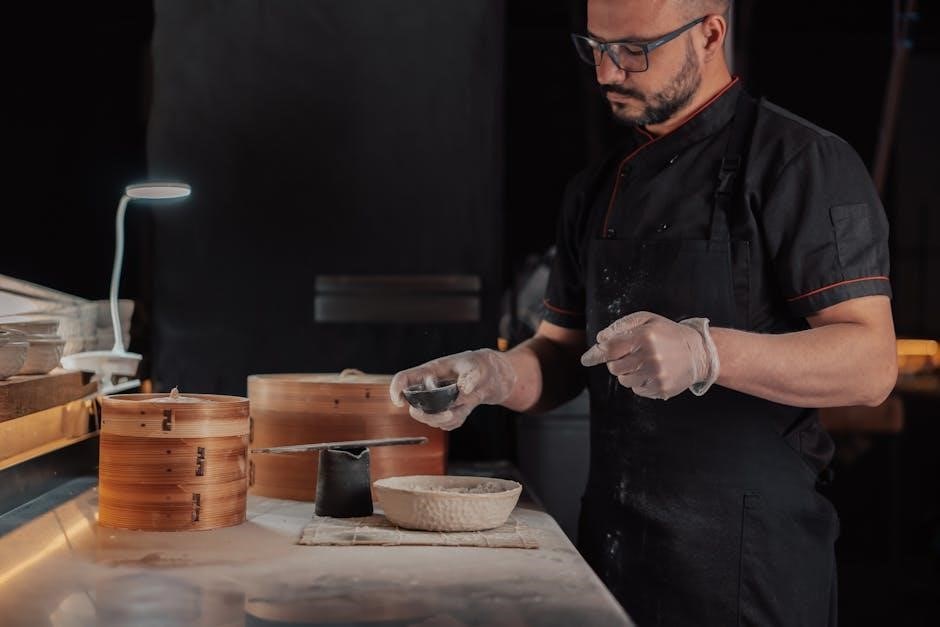
Egg Steamer Recipes
Explore diverse recipes! From simple steamed eggs with soy sauce to flavorful combinations with shrimp and vegetables, enjoy culinary versatility and healthful meals.
Custard-style steamed eggs offer a delightful texture, showcasing the steamer’s ability to create varied and delicious egg dishes for any palate.
Simple Steamed Egg with Soy Sauce
This classic recipe highlights the pure flavor of steamed eggs, enhanced by a touch of soy sauce. Begin by gently cracking two to three eggs into a heat-resistant bowl.
Add one tablespoon of water per egg, creating a smoother texture during steaming. Whisk lightly – avoid excessive frothing. Season with a dash of salt and a teaspoon of light soy sauce.
Cover the bowl with heat-safe plastic wrap, securing it tightly to prevent condensation from dripping into the egg mixture. Place the bowl into your preheated egg steamer, ensuring it fits securely.
Steam for approximately 8-10 minutes for a soft, custard-like consistency. Carefully remove the bowl, discarding the plastic wrap. Garnish with a drizzle of sesame oil and chopped green onions for added flavor and visual appeal. Enjoy immediately!
Steamed Egg with Shrimp and Vegetables
Elevate your steamed egg with this flavorful variation! Start by prepping your ingredients: finely chop 2 tablespoons of mixed vegetables (carrots, peas, corn) and 2 tablespoons of peeled, deveined shrimp.
In a bowl, whisk together three eggs with one tablespoon of water per egg, a pinch of salt, and a dash of white pepper. Gently fold in the chopped vegetables and shrimp.
Cover the bowl tightly with heat-safe plastic wrap, preventing water droplets from falling in. Place the bowl carefully into your preheated egg steamer, ensuring stability.
Steam for 10-12 minutes, or until the egg is set but still slightly soft. Remove carefully, discard the wrap, and garnish with a sprinkle of chopped chives or a drizzle of sesame oil before serving.
Custard-Style Steamed Egg
Create a silky-smooth custard with this delightful steamed egg recipe. Begin by whisking together three eggs with three tablespoons of warm water per egg, a pinch of salt, and a teaspoon of light soy sauce.
Strain the egg mixture through a fine-mesh sieve to remove any bubbles, ensuring a perfectly smooth texture. This step is crucial for achieving that signature custard consistency.
Pour the strained mixture into a heat-safe bowl or ramekin. Cover tightly with plastic wrap, securing it well to prevent water condensation.
Steam for 8-10 minutes, or until the custard is just set with a slight wobble. Garnish with a sprinkle of finely chopped green onions and a drizzle of sesame oil for an elegant finish.